Improve Service Gross Margins
Reducing the engineering hours required to support each customer decreases your cost-to-serve and creates opportunities to improve managed services profitability.
By investing in proactive maintenance, automation and Centralised Services, MSPs can reduce reactive workload, increase engineering productivity and improve service delivery margins.
At Dijital Team, we help MSPs build the dedicated engineering capability needed to make this happen, without the traditional cost of local recruitment.
Find out how much reactive support could be costing your MSP.
Calculate Your Potential Savings ↓
One of the biggest hidden costs in an MSP is the engineering time consumed by preventable support tickets.
A password issue, a failed patch, a full disk or an offline service might only take 15 to 30 minutes to resolve. But when these issues occur hundreds of times across your customer base, they consume significant engineering capacity.
The problem is not necessarily that your engineers are inefficient. It is that they are spending time resolving problems that could potentially have been prevented or automatically remediated.
The result? Higher service delivery costs, reduced capacity and pressure to recruit additional engineers as your business grows.
The most profitable MSPs do not just get better at resolving tickets. They get better at preventing them.
Unlike traditional professional services businesses, most MSPs generate revenue through fixed-fee managed services agreements.
This means that every additional support ticket increases the cost of delivering your services without necessarily generating any additional revenue.
The challenge compounds as your MSP grows. More customers typically means more endpoints, more alerts and more support requests. Unless you continually improve the efficiency of your service delivery operation, your headcount and operating costs can increase alongside revenue.
Reducing reactive support changes the economics.
When your MSP can support more customers and endpoints without a proportional increase in engineering effort, you begin to create genuine operating leverage.
The benefits extend beyond reducing costs.
Reducing the engineering hours required to support each customer decreases your cost-to-serve and creates opportunities to improve managed services profitability.
Recover engineering capacity through automation and proactive maintenance so your existing team can support more customers before additional recruitment becomes necessary.
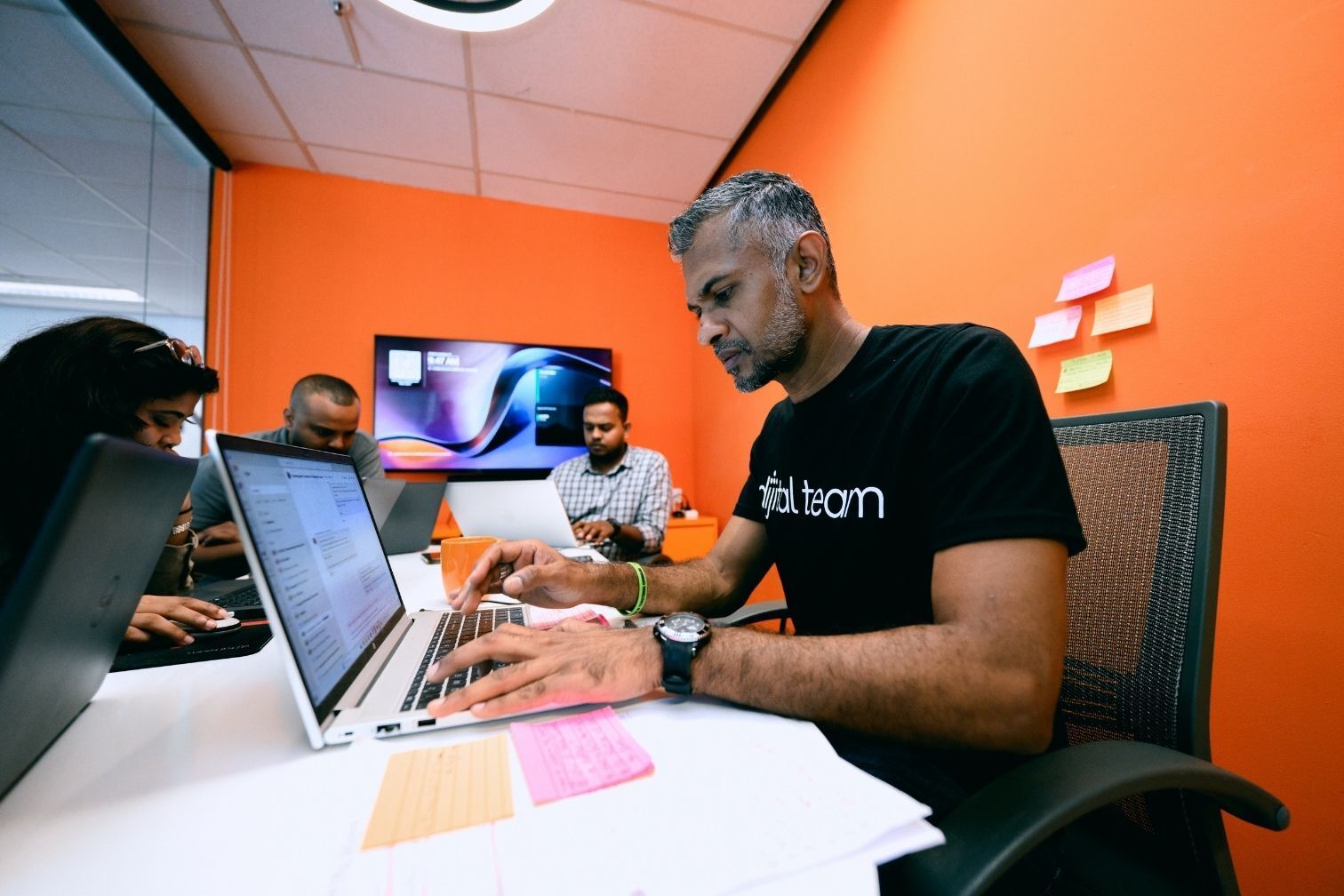
Stop using skilled L2 and L3 engineers to repeatedly resolve problems that could be prevented. Redirect their expertise towards projects, complex incidents and customer improvement initiatives.

Customers don't want faster resolutions to recurring technology problems. They want fewer problems in the first place. Proactive service delivery reduces disruption and helps improve satisfaction and retention.
Most MSPs already own tools capable of reducing their reactive workload. Their RMM platforms can monitor endpoints, deploy patches, execute scripts and automate routine maintenance. Increasingly, MSPs are also investing in dedicated automation platforms.
Yet many organisations struggle to realise the full value of these investments.
Why?
Because nobody has the time to make them work.
Your service desk is busy resolving tickets. Senior engineers are managing escalations and delivering projects. Business owners are focused on customers, sales and running the business.
Automation becomes something everyone agrees is important, but nobody has the capacity to own.
A Centralised Services Engineer changes that.
Rather than being responsible for resolving incoming tickets, this engineer focuses on systematically reducing the number of tickets your MSP generates.
They proactively manage your customer environments, develop monitoring and maintenance policies, automate recurring tasks, improve patch compliance, implement remediation workflows and continually identify opportunities to eliminate unnecessary engineering effort.
Their value is not measured by the number of tickets they close.
It is measured by the number of tickets your MSP no longer needs to create.
Dijital Team helps MSPs across Australia, New Zealand and the United Kingdom build dedicated offshore engineering teams in Sri Lanka.
Our model makes it more commercially accessible to invest in the specialist resources needed to improve operational efficiency, even if your MSP isn't large enough to justify another expensive local engineering hire.
Depending on your technology environment and operational maturity, we can help you build capability across three complementary roles.

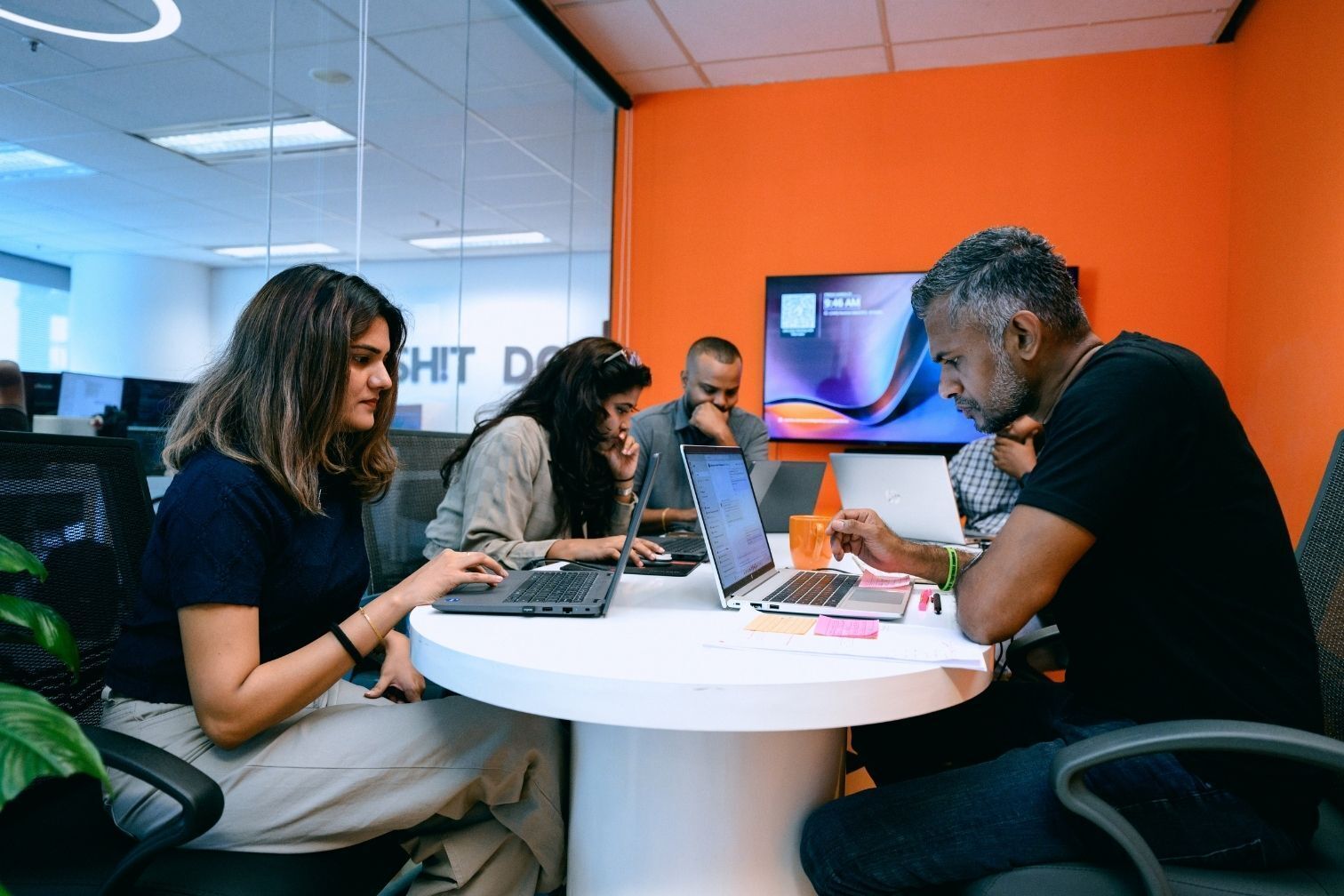
Your engineer works exclusively for your business, embedded into your processes, platforms and team. They become part of your MSP, not a resource shared between multiple customers.

We recruit against your specific technical requirements, whether that involves Kaseya, Datto RMM, ConnectWise, NinjaOne, Microsoft, Rewst, Pia or other tools within your service delivery environment.
No confusing surcharges, 13th-month payments, office fees or hidden extras. You know exactly what your dedicated offshore engineer will cost each month.
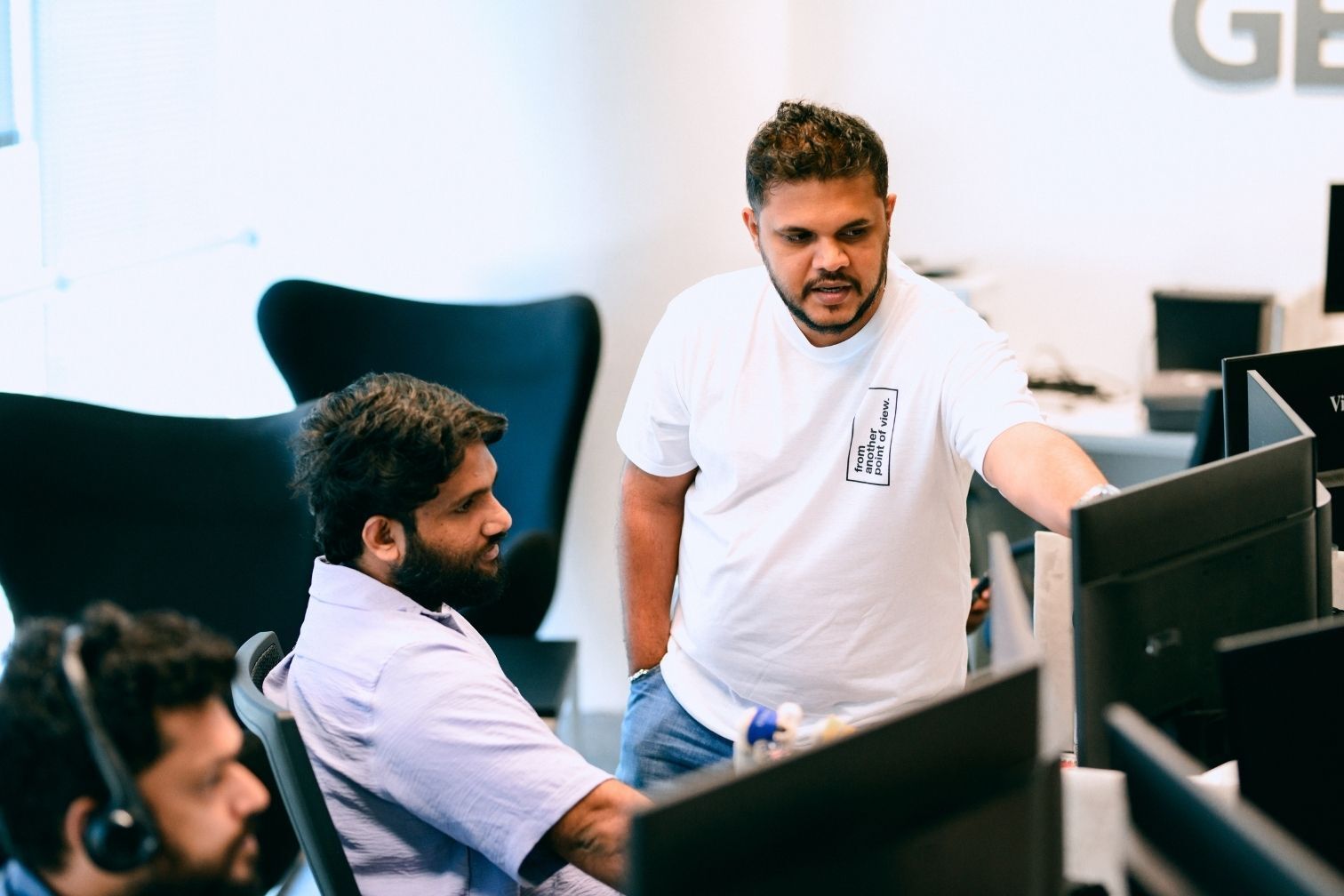
Our focus is on building sustainable, high-performing teams that become an integral part of your business, with ongoing support to help you achieve your objectives.
Dijital Team is ISO 27001 certified and operates with a security-focused approach to supporting customers and protecting information.
Our first-call resolution rate has jumped by nearly 15%.
Gavin DawsonService Delivery Manager, Future IT Services
First-call resolution
Future IT Services added two Sri Lankan members to its MSP service desk team, trained on its tools and processes. First-call resolution rose from 70% to nearly 87%, client satisfaction improved, and the team gained capacity for up to 250 more seats.
Reducing reactive support doesn't require you to transform your entire MSP overnight.
Start by understanding where your engineering time is being consumed.
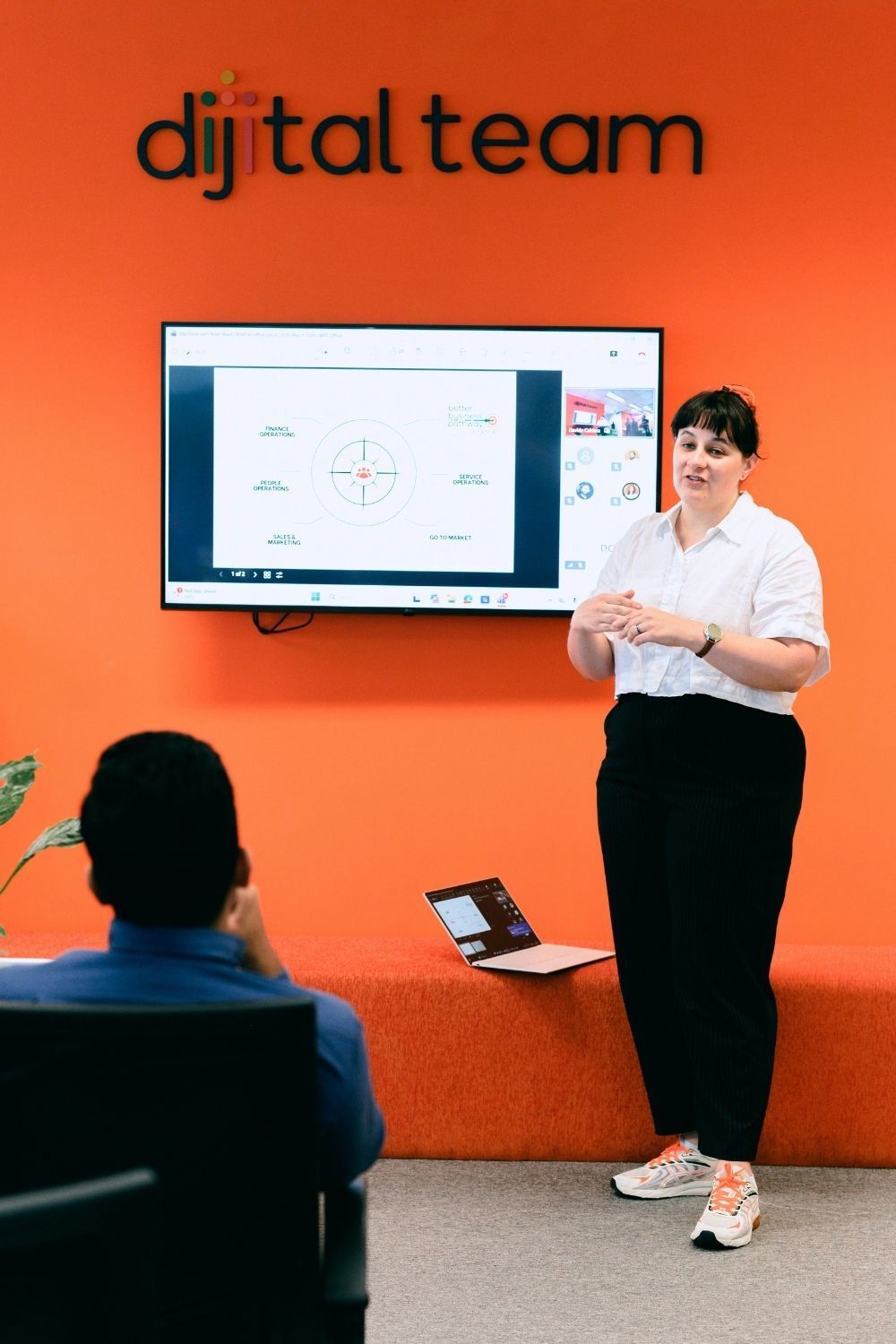
Identify recurring support issues, review the capabilities of your existing tools and prioritise activities that could be standardised, prevented or automated.

Then give someone clear ownership of making those improvements happen.

With a dedicated Centralised Services Engineer or Automation Engineer, you can move from ad hoc efficiency projects to a structured programme of continuous improvement.

Over time, fewer recurring tickets can mean more available engineering capacity, improved customer experience and greater room for profitable growth.